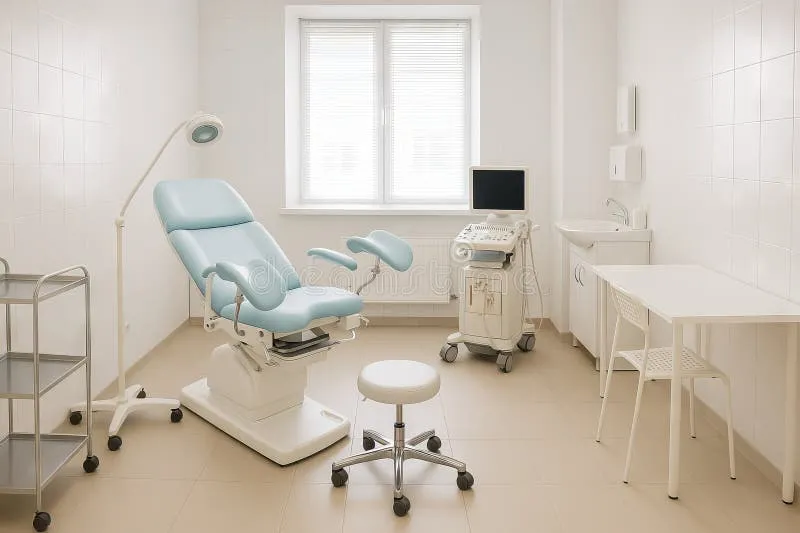
Your Gynecologist Got Maybe 2 Hours of Menopause Training. Here's How to Fill the Gap.
Photo: Internet Archive Book Images, No restrictions, via Wikimedia Commons
A few years ago, a survey of obstetrics and gynecology residents made headlines for a finding that shouldn't have been surprising but still landed like a slap: the majority of graduating OB-GYNs said they didn't feel prepared to treat menopause. Some programs offer as little as two hours of dedicated menopause instruction across four years of medical school and residency.
Two hours. For a transition that lasts years and affects nearly every system in the body.
If you've ever left a gynecology appointment feeling like your hot flashes were shrugged off, or like you were handed an antidepressant pamphlet when what you actually wanted to discuss was hormone therapy, you weren't imagining it. You were probably standing in the gap.
Why the Gap Exists in the First Place
The story goes back to 2002, when the Women's Health Initiative study made scary headlines linking hormone therapy to breast cancer and heart risk. The coverage was oversimplified, prescriptions plummeted, and med schools quietly de-emphasized menopause care. An entire generation of clinicians trained in the shadow of that fear.
The problem: the WHI findings applied most strongly to older women starting hormones years past menopause, not the healthy 50-year-old in the thick of symptoms. Follow-up analyses have walked back much of the panic, and major medical societies now say hormone therapy is appropriate for many women under 60 or within 10 years of their final period. But the training pipeline never fully caught up.
The Boom in Menopause-Only Clinics
Enter the entrepreneurs. The last few years have seen an explosion of menopause-focused telehealth startups and boutique clinics — think Midi, Alloy, Evernow, and a wave of independent practices branding themselves as "menopause specialists." Some are excellent, staffed by certified menopause practitioners. Others are basically supplement sales operations with a telehealth veneer.
The upside is real: these services typically offer longer appointments, clinicians who've actually kept up with the current hormone therapy literature, and access to options like low-dose vaginal estrogen that many traditional practices underuse. The downside is cost and, occasionally, upselling. A $99 membership plus cash-pay prescriptions adds up, and some platforms push compounded hormones or pricey supplements without solid evidence behind them.
Your Practical Question Checklist
Whether you see a menopause specialist or advocate for yourself with your regular gynecologist, walk in with specifics. Print this out.
On hormone therapy:
- "Am I a candidate for hormone therapy given my age, symptoms, and health history?" (Timing matters — starting within 10 years of menopause and before 60 is generally the sweet spot.)
- "What's the difference between taking estrogen with a progestogen versus estrogen alone for me?"
- "Do you prescribe FDA-approved hormone products, or only compounded ones?" (Compounded "bioidenticals" aren't regulated the same way and generally aren't recommended.)
On non-hormonal options:
- "What about fezolinetant or other non-hormonal medications for hot flashes?"
- "Can low-dose vaginal estrogen or non-hormonal moisturizers help my genitourinary symptoms?"
On long-term health:
- "When was my last bone density screening, and should I have one?" (Estrogen loss accelerates bone loss — ask about osteoporosis risk.)
- "How is menopause changing my cardiovascular risk, and what should we be tracking?"
- "Should we review my blood pressure, cholesterol, and glucose now that I'm in this phase?"
On the visit itself:
- "How many menopause patients do you treat?" A fair question, and a good clinician won't bristle.
How to Vet a Provider
Look for credentials like MSCP (Menopause Society Certified Practitioner, formerly NAMS certification). The Menopause Society maintains a searchable directory of these providers — it's the single best starting point in the US. Read reviews with an eye for red flags: cash-only supplement protocols, guarantees, or pushback when you ask about FDA-approved options.
If you're using a telehealth platform, check whether they accept insurance or offer HSA/FSA payment, whether prescriptions go through your regular pharmacy, and whether you can message a clinician between visits.
What Insurance Actually Covers
Here's the part nobody tells you: FDA-approved hormone therapy itself is usually covered as a generic tier medication — the drugs are old and cheap. What often isn't covered is the specialist visit if the clinic doesn't take insurance, memberships, and cash-pay compounded products.
Under the ACA, most plans cover menopause counseling as preventive care when billed appropriately, though coverage for things like DEXA bone scans depends on your risk profile. Call your insurer before booking a boutique clinic and ask specifically: "Do you cover CPT code 99204 for a menopause evaluation at this provider?" Fifteen minutes on the phone can save you hundreds.
The Bottom Line
You deserve a clinician who's read the current research, not one operating on 2002 headlines. If your regular gynecologist is wonderful for everything else, keep them — but it's completely reasonable to add a menopause-certified practitioner to your team for this chapter. Ask the questions. Bring the list. And if a provider dismisses your symptoms with "that's just part of aging," that's your cue to find someone else.