Nobody Needs a Routine Pelvic Exam Anymore — So Why Are You Still Getting One?
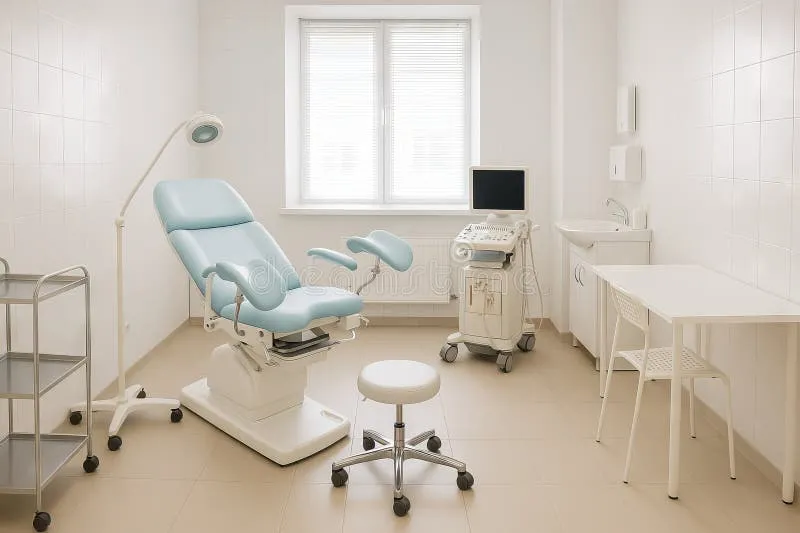
Photo: calm modern gynecologist consultation room with medical chart, via thumbs.dreamstime.com
Here's a sentence that surprises a lot of women: the routine pelvic exam — the speculum, the stirrups, the bimanual check — is no longer recommended for healthy women without symptoms. Not by the American College of Physicians. Not by the US Preventive Services Task Force, which in 2023 came out against screening pelvic exams in asymptomatic, non-pregnant adults.
And yet, if you've been to a well-woman visit lately, odds are decent you were examined anyway. Studies have consistently found that the majority of these visits still include a pelvic exam. So what gives?
First, What the Guidelines Actually Say
Let's be precise, because precision matters here. The evidence against routine pelvic exams points to a few things: they rarely catch meaningful disease in women without symptoms, they frequently produce false alarms that lead to extra testing and anxiety, and they're a leading reason some women avoid preventive care altogether.
What has not changed:
- Pap smears (which do screen for cervical cancer) are still recommended on their own schedule — typically every three to five years depending on your age and results. A Pap involves a speculum, but not the bimanual exam.
- STI testing, whether by swab or urine, follows its own logic based on your sexual history.
- Any exam for symptoms — pain, bleeding, discharge, prolapse concerns — is entirely appropriate. Guidelines target screening exams, not diagnostic ones.
In other words: the speculum isn't canceled. The ritual of examining every patient at every annual visit, symptom-free or not, is what's under question.
So Why Is It Still Happening?
Talk to clinicians off the record and you'll hear a few honest answers.
Habit and training. Many physicians trained in an era when the pelvic exam was considered good preventive medicine. Unlearning a reflex you've performed thousands of times is genuinely hard.
Bundled visits. The annual exam is often scheduled as a package — breast check, pelvic, everything. Some providers see it as thoroughness rather than excess.
Liability fears. A small number of doctors worry that skipping an exam means missing something and facing a lawsuit, even though the evidence doesn't support that fear for asymptomatic patients.
The patient expectation trap. Some clinicians assume women want the exam and would feel shortchanged without it. This is where the loop closes: patients assume the doctor knows best, doctors assume patients expect it, and nobody has the conversation.
There's also a less charitable factor some researchers point to: the annual visit is often billed in ways that are easier when it includes a full physical exam. We'll let you sit with that one.
When You Can Genuinely Decline
You can decline any part of any exam, at any time, for any reason. Full stop. Consent applies to medical care the same way it applies to everything else.
That said, declining works best when it's informed. Say yes to the exam if:
- You have symptoms — pain, unusual bleeding, changes in discharge, pelvic pressure
- You're due for a Pap smear (the speculum part, anyway)
- You have a history that makes your provider's exam-specific concerns reasonable — and they can explain them
Say "not today" if you're symptom-free, current on your Pap schedule, and the exam is being done purely because it's on the checklist.
What to Actually Say at Check-In
You don't need a speech or a confrontation. Try one of these:
- "Before we start — can we skip the pelvic exam today? I'm symptom-free and current on my Pap."
- "I read the USPSTF guidance on routine pelvic exams. I'd like to opt out unless something's changed."
- Or the softest version: "I'd rather skip the pelvic exam this year — can we talk about whether I need one?"
A good provider will respond with something like "sure" or "let me tell you why I'd suggest it." A defensive reaction or a guilt trip is information too.
Evidence-Based Care vs. Habit-Driven Care
Here's the test: ask why. "Why are we doing this exam today?" is a completely reasonable question, and the answer tells you everything. "Because I want to check your ovaries" from an asymptomatic patient with no risk factors is habit dressed up as medicine. "Because you mentioned spotting last month" is evidence.
This matters especially in perimenopause and menopause, when visits can start feeling like a blur of exams and vague advice. Your annual visit should be a conversation about your actual life — sleep, bone health, libido, cardiovascular risk — not a rote physical ritual.
You are allowed to be a partner in your care, not a subject of it. The guidelines changed. It's past time the exam-room routine caught up.