The People Voting on Your Uterus Will Never Need a Speculum

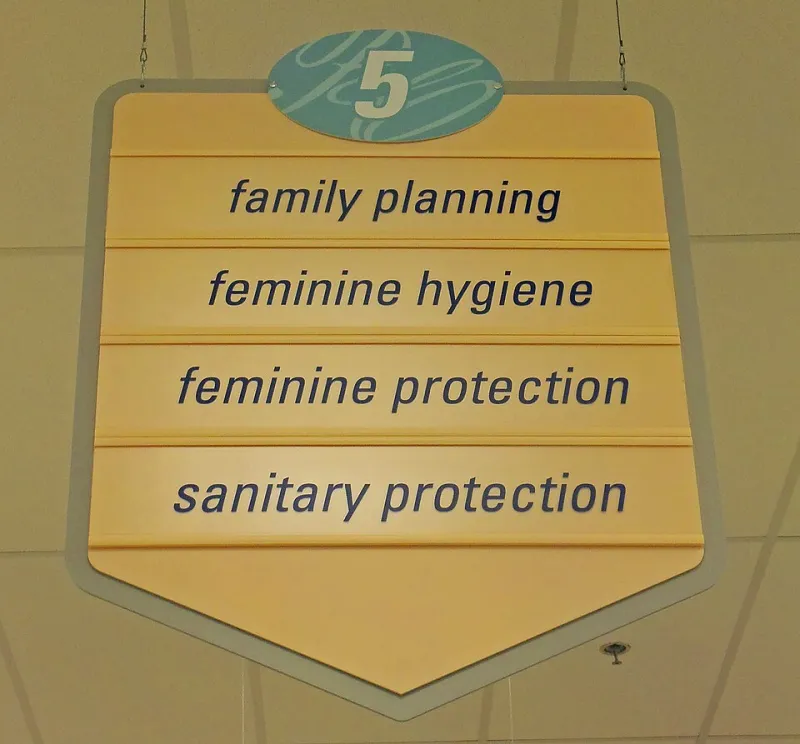
Photo: Chrismiceli, CC0, via Wikimedia Commons
Here's a fun exercise: pull up the roster of any state legislature that passed an abortion restriction in the last year and count how many members have ever had a pap smear. Go ahead. We'll wait.
The number is almost always zero. And yet these are the people deciding whether your pharmacy can fill a prescription, whether your IUD is covered, and whether you'd have to travel three states over if a wanted pregnancy went catastrophically wrong.
Who's Actually in the Room
Since the Dobbs decision flipped abortion policy back to the states, the real action moved from the Supreme Court to statehouses — and state legislatures get far less attention than they deserve. In the past year, that's meant things like Nebraska tightening its ban to the first trimester while simultaneously advancing a ballot measure that would have protected abortion rights (voters there ended up with competing questions on the same ballot). It's meant enforcement battles over trigger laws in states like Idaho and Tennessee, where emergency rooms are now navigating vague exceptions that physicians say are too risky to interpret in real time. And it's meant ongoing fights in places like Florida, where a six-week ban took effect even after a majority of voters supported a measure to protect abortion rights — a reminder that passing a ballot initiative doesn't always override what's already on the books.
Meanwhile, contraception — the thing most Americans across every political grouping actually agree on — has gotten caught in the crossfire. Louisiana reclassified mifepristone as a controlled substance, complicating medication protocols. Several states have seen repeated attempts to restrict IUD access by redefining how emergency contraception and early pregnancy are classified. None of these bills were written by gynecologists.
The Speculum Gap
There's a name for what happens when people with no clinical or lived experience make medical policy: it shows. Requirements like mandatory ultrasounds, scripted counseling, and 72-hour waiting periods aren't drawn from evidence — they're drawn from ideology. The American College of Obstetricians and Gynecologists has opposed most of them for years, and their input rarely wins.
This isn't about whether you personally would choose an abortion. Plenty of readers here never will. But the same legislative machinery that restricts abortion also affects miscarriage management, ectopic pregnancy treatment, fertility care, and whether your insurance covers the contraceptive method your doctor recommends. The exam room and the statehouse are more connected than they look.
Your Five-Minute Toolkit
You don't need to become a policy wonk. You need about ten minutes and a browser.
1. Find your people. Open your state legislature's website (search "[your state] legislature"), type in your address, and get the names of your state senator and representative. That's it — that's your two-person accountability list.
2. Track the bills. Sites like LegiScan and Ballotpedia let you follow reproductive health legislation by state. Planned Parenthood's and the Guttmacher Institute's trackers are also excellent and refresh regularly.
3. Look at the votes. Most legislature sites publish roll call votes. You can see exactly who voted yes on the bill that affects you. Screenshots are useful when it's election season.
4. Check next year's ballot. Reproductive rights measures are already being organized in multiple states. Ballot initiatives are the one place where voters — including people with uteruses — get a direct say, and they've won remarkably consistently when given the chance.
5. Send one email. Here's the secret legislative staffers won't advertise: most lawmakers get very few constituent emails on any given bill. A short, personal note — "I'm your constituent, I use this clinic, and I'm asking you to vote no on HB ___" — gets logged, tallied, and occasionally read aloud in committee. Form letters are fine. Personal stories are better. One sentence about your own experience with contraception, miscarriage care, or a clinic closure carries more weight than a paragraph of talking points.
Why This Belongs on a Health Site
We usually write about vaginal pH and lactobacillus around here, not roll call votes. But access is part of health. The best evidence-based gynecological care in the world doesn't help if the clinic closed, the prescription needs a second trip across state lines, or your coverage disappeared with a budget rider nobody debated out loud.
So consider this your nudge: look up your two legislators this week. Bookmark the tracker. Write the email when the next bill drops, because one will. The people voting on your uterus will never need a speculum — but they do need your vote, and they do count your emails. Make both count.