One Checkup in Six Weeks: Inside America's Postpartum Care Problem
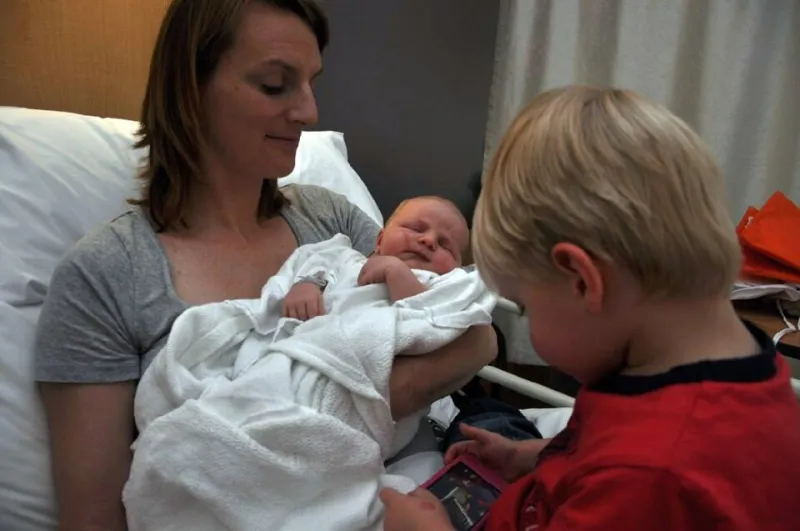
Photo: Tom Reynolds from Melbourne, Australia, CC BY 2.0, via Wikimedia Commons
Here's the standard American postpartum experience: deliver the baby, stay a night or two in the hospital, go home, and then vanish from the medical system for six weeks. At week six, you get one appointment — often fifteen minutes — and then you're formally discharged until your next annual exam.
Compare that to the nine months of prenatal visits leading up to it, and the math is hard to miss. In the US, pregnancy gets roughly fourteen checkups. The year after birth gets one.
And here's the part that should stop you cold: the American College of Obstetricians and Gynecologists has called the six-week model outdated and recommends that postpartum care be an ongoing process starting within three weeks of birth. Yet in practice, that single visit remains the norm — and CDC data suggests around 40% of women skip even that one appointment, whether because of cost, childcare, transportation, or the simple impossibility of getting a newborn and yourself out the door by 10 a.m.
What Six Weeks of Silence Misses
A lot, it turns out. The weeks after birth are when some of the most serious maternal health risks actually peak.
Cardiovascular complications like postpartum preeclampsia and peripartum cardiomyopathy can appear days or weeks after discharge. Postpartum hemorrhage risk extends beyond the hospital stay. And depression and anxiety? The CDC estimates that roughly 1 in 8 women experience postpartum depression — with symptoms frequently emerging well after the six-week mark, when no one is screening anymore.
Then there's the quieter, near-universal stuff that rarely makes it into a fifteen-minute appointment: pelvic floor dysfunction, urinary and fecal incontinence, painful scar tissue, diastasis recti, painful sex, thyroid dysfunction. Studies have found that a substantial majority of postpartum women report at least one unresolved physical issue months after birth. In a one-and-done system, most of it never gets raised at all — partly because new mothers are experts at downplaying their own complaints, and partly because nobody's asking.
What Other Countries Do Instead
The US approach looks even stranger when you zoom out.
The Netherlands sends a kraamverzorgster — a trained maternity nurse — to your home for up to eight hours a day during the first week after birth. She monitors both mother and baby, checks recovery, helps with breastfeeding, cooks, and watches for warning signs in person. It's standard care, covered by basic insurance.
France schedules a postnatal visit within eight weeks, plus a series of sessions with a pelvic floor physiotherapist — rééducation périnéale — which is so routine it's practically a cultural institution. French women are prescribed ten or more sessions to retrain the pelvic floor after delivery. In the US, a referral for the same thing usually requires the patient to already know it exists and ask for it.
The UK provides midwife home visits in the first ten days, and Germany pairs regular postnatal checkups with access to Hebammen (midwives) for weeks of home support.
None of these systems is perfect, and none of them is magic. But they share a premise the US system hasn't adopted: recovery from birth is a medical process that takes months, not an appointment that takes fifteen minutes.
The One-and-Done Cost
The consequences show up in the data. The US has the highest maternal mortality rate among wealthy nations, and a large share of those deaths occur in the postpartum period — with a significant fraction happening well after the six-week visit, sometimes up to a year later. Black women in the US face postpartum mortality rates several times higher than white women, a disparity that gaps in follow-up care only widen.
Some progress is happening. Since 2022, most state Medicaid programs have extended postpartum coverage from sixty days to a full twelve months, which matters enormously since Medicaid pays for around 41% of US births. But coverage on paper isn't the same as appointments on the calendar.
What You Can Do Inside This System
Until the schedule changes, American mothers have to build their own postpartum care plan. Some concrete moves:
- Book a 3-week check-in, not just the six-week visit. ACOG's guidance supports earlier contact, and many practices will do a phone, telehealth, or quick in-person visit if you ask.
- Ask for a pelvic floor PT referral at your six-week visit — especially if you have any leaking, heaviness, or pain. You don't need to be "bad enough" to qualify.
- Know the red flags: chest pain, trouble breathing, severe headache, swelling in one leg, bleeding that soaks a pad in an hour, thoughts of harming yourself. These warrant immediate care at any point postpartum, no appointment needed.
- Bring a list to your six-week visit. Include the unglamorous things — sex, bowel function, mood, hair loss, rage, exhaustion. Fifteen minutes goes further when you arrive with an agenda.
- Push on mood screening. If your provider doesn't screen for postpartum depression at every contact, the Edinburgh Postnatal Depression Scale is available free online and takes five minutes.
The six-week gap isn't a law of nature. It's a habit of a healthcare system — and habits, as any new parent knows, can be changed.